
Edo / Tokyo
Where the Past Meets
the Present
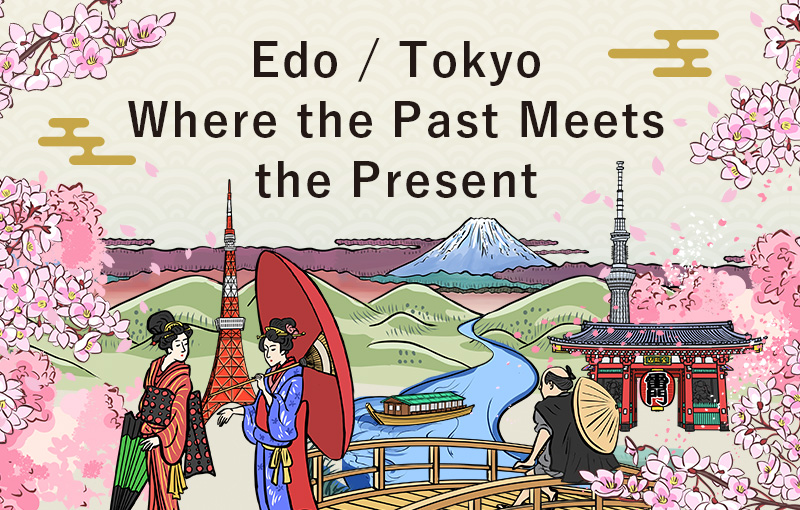
What was it like to live in Edo?
Edo is the former name of Tokyo. The Edo period was an era of peace and stability under the Tokugawa shogunate, which was established in 1603, following the turbulent Sengoku (Warring States) period. As the political and cultural center of Japan, Edo (present-day Tokyo) became the world’s largest city with a population of over one million people by the early 1700s. From samurai to common folk, all enjoyed a lifestyle enriched by festivals, entertainment, and craftsmanship. From kabuki and ukiyo-e to a diverse food culture, traditions that blossomed in this era have been passed down to modern Japan, and today are found everywhere in Tokyo. Knowing a bit about these historical origins makes visiting the modern metropolis even more enjoyable. Come on a journey to the crossroads of Edo and Tokyo!
Map
Select a pin on the map to explore Edo-era history and culture through spot descriptions and 3D content

- Spots with this icon let you enjoy 3D content.* The 3D content links to the same experience page for all spots.
* Loading may take some time.

- You can view text and images for featured spots with this icon.
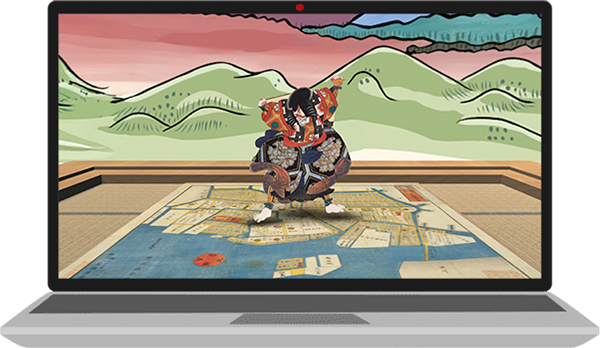
Select a pin on the map to explore Edo-era history and culture through spot descriptions and AR content

- Spots with this icon let you enjoy AR content.
- You can view text and images for featured spots with this icon.
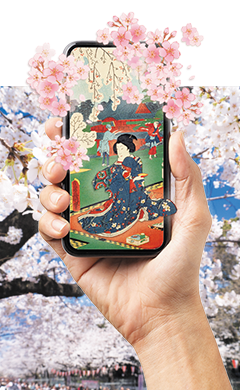
Select a pin on the map to explore Edo-era history and culture through spot descriptions and 3D content
- Spots with this icon let you enjoy 3D content.* The 3D content links to the same experience page for all spots.
* Loading may take some time.
- You can view text and images for featured spots with this icon.
Select a pin on the map to explore Edo-era history and culture through spot descriptions and AR content
- Spots with this icon let you enjoy AR content.
- You can view text and images for featured spots with this icon.
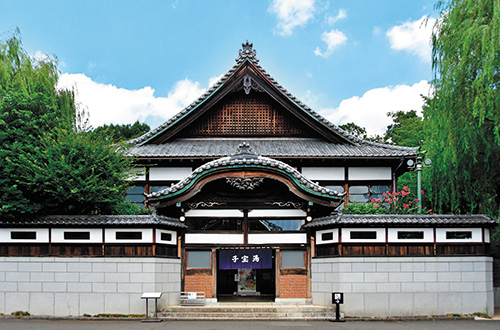
Edo-Tokyo Open Air Architectural Museum
This open-air museum features relocated, restored, and preserved historical buildings from the Edo to mid-Showa period (mid-20th century). Stroll through the natural landscape of the grounds and get a sense of what life was like long ago.
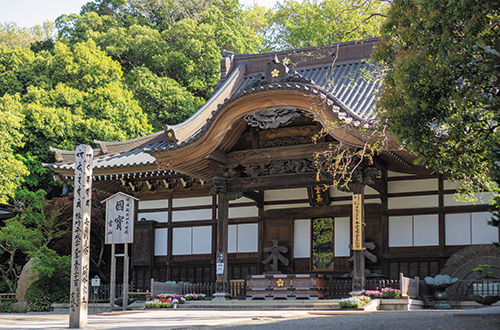
Jindaiji Temple
Founded in 733, the temple grounds are dotted with stately structures such as the Main Hall and the Shakado Hall. Shakado houses the oldest Buddhist statue in eastern Japan, designated as a National Treasure. Nearby, visitors can enjoy the area’s famous soba noodles made with fresh spring water.
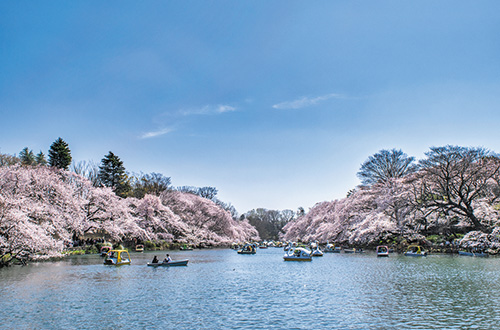
Inokashira Park
This lush park surrounds Inokashira Pond, once a vital water source for the city in the Edo period. Adjacent to the park is Inokashira Park Zoo, where visitors can encounter a diverse range of animals and aquatic life.
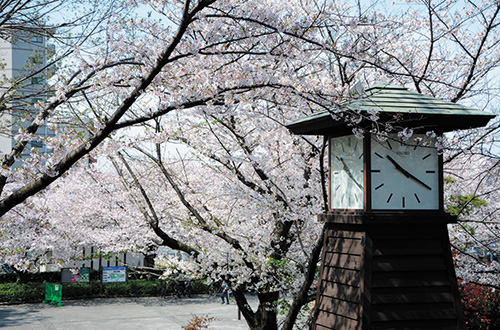
Asukayama Park
First opened in the early 18th century for the pleasure of the public by Tokugawa Yoshimune, the eighth shogun, this park remains a famous cherry blossom spot. The many attractions include three museums, gardens, and a one way two-minute self-propelled monorail ride.
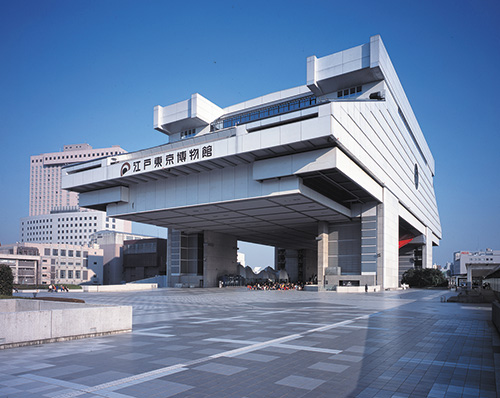
Tokyo Metropolitan Edo-Tokyo Museum
Through a variety of models and exhibits, this museum makes it easy to understand how ancient Edo became modern-day Tokyo.
*Scheduled to reopen on March 31, 2026.
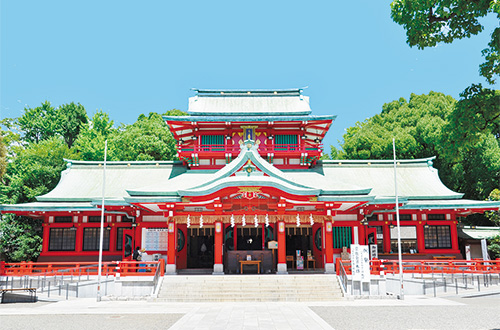
Fukagawa Area /
Tomioka Hachimangu Shrine
Dating back to the Edo period, the retro downtown area of Fukagawa is famous for the Fukagawa Hachiman Festival at Tomioka Hachimangu Shrine, one of the “Three Great Festivals of Edo.” Among many other attractions are Japanese boat cruises and the traditional dish made with asari clams, Fukagawa-meshi.
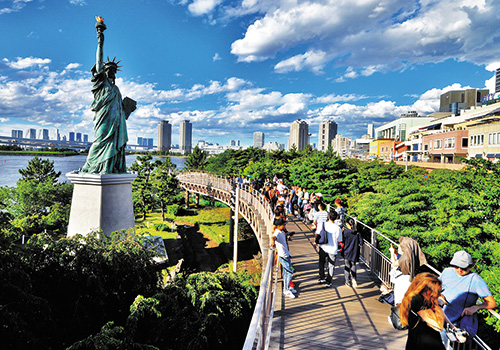
Odaiba Marine Park
In the late 19th century, six artillery batteries, known as “daiba,” were built to defend Edo. See the remains of the cannons at Odaiba Marine Park along with a stunning view of the city.
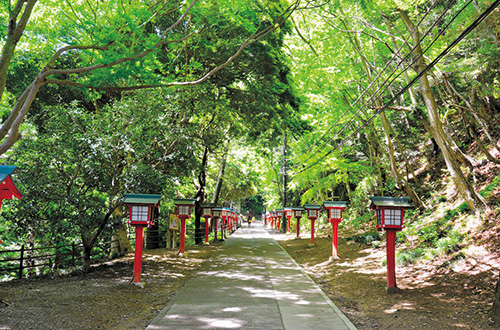
Mt. Takao
With a summit of 599m, this hiking spot is fun even for beginners. Revered as a sacred mountain centered around Yakuoin Temple, Mt. Takao became a popular pilgrimage destination for commoners during the Edo period.
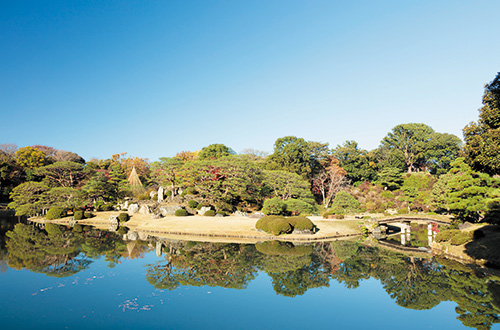
Rikugien Gardens
A feudal lord's garden designed by Yanagisawa Yoshiyasu, a key figure in the Tokugawa shogunate. The delicate, tranquil landscape is inspired by the world of Japanese waka and Chinese poetry, and is famous for spring cherry blossoms and autumn foliage.
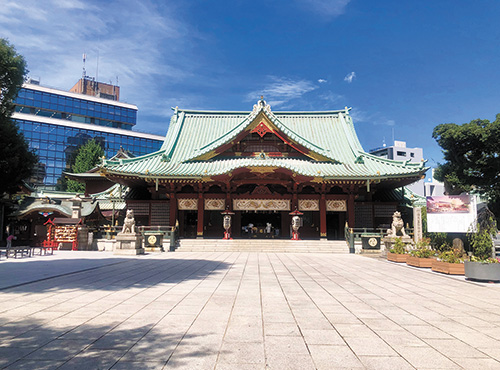
Kanda-jinja Shrine (Kanda Myojin)
Enshrining the guardian deity of Edo, this shrine is known for its grand Kanda Festival, held every two years and recognized as one of the "Three Great Festivals of Edo."
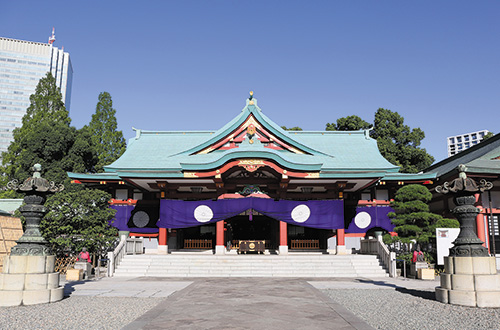
Hie-jinja Shrine
Dedicated to the guardian deity of Edo Castle and revered by the Tokugawa shogunate, this shrine hosts the Sanno Festival, one of the "Three Great Festivals of Edo," in alternating years with the Kanda Festival.
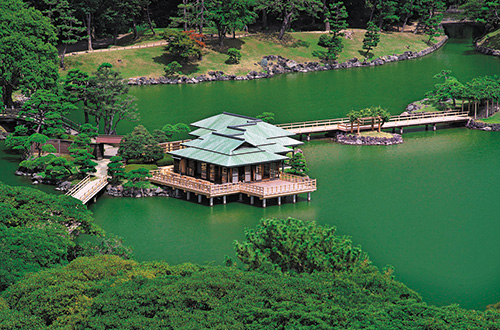
Hama-rikyu Gardens
Once a villa of the Tokugawa family, this renowned garden is one of the finest examples of Edo-period landscaping, distinguished by its tidal pond fed with seawater. Enjoy matcha green tea and Japanese sweets at the teahouse in the center of the pond.
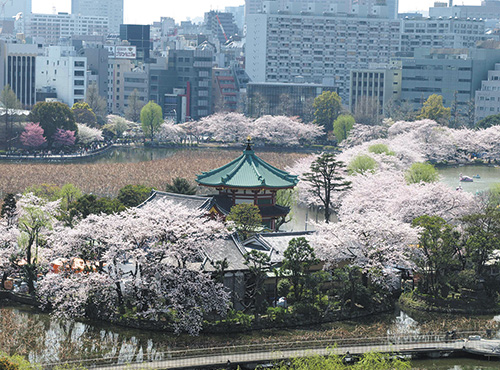
Ueno Park
Explore museums, art galleries, a zoo, and more at this park. Also home to many sites from the Edo period, including Kaneiji Temple, a sacred place connected with the Tokugawa shogunate; Toshogu Shrine, dedicated to Tokugawa Ieyasu; and Shinobazu Pond.
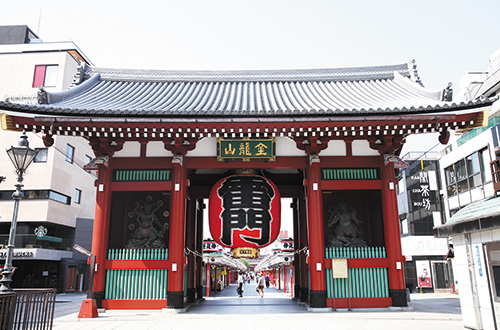
Sensoji Temple
Believed to have been founded in 628, this is Tokyo's oldest temple. During the Edo period, the lively community of pilgrims made it the heart of a dynamic culture. The Sanja Matsuri Festival, held in Asakusa every May, is also famous.
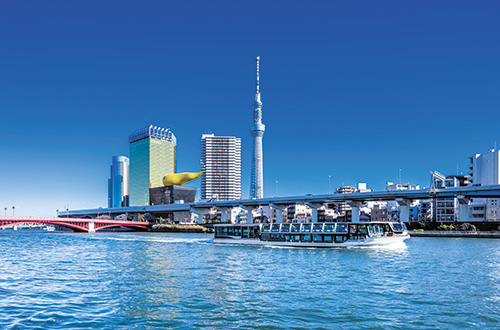
Sumida River
In the Edo period, the Sumida River was vital for water transport and also popular for pleasure boating. Even today, visitors can board water buses and traditional yakatabune houseboats. The Sumida River Fireworks Festival every July is a long-standing tradition dating back to the Edo period.
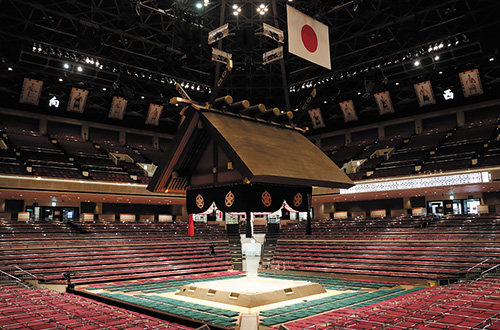
Ryogoku Kokugikan
This stadium is used for professional sumo wrestling. The once favorite pastime of common folk in the Edo period is today Japan’s national sport. Learn about the history of sumo at the Sumo Museum.
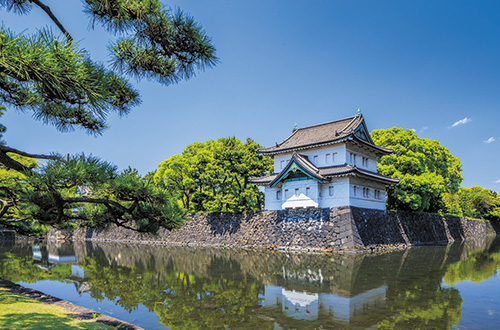
Imperial Palace
During the Meiji Restoration in the late 19th century, Edo Castle became the Imperial Palace, and part of the grounds were opened to the public as a park. Traces of Edo can still be felt in the stone walls, moat, and castle gates.
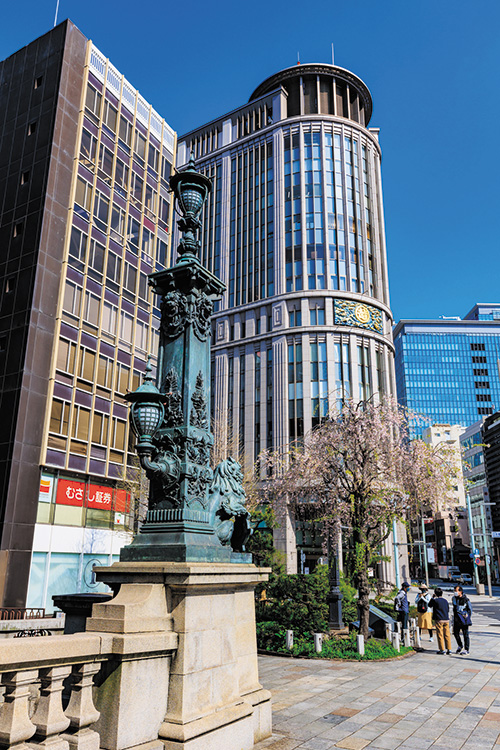
Nihonbashi
Centered around Nihonbashi Bridge, the start point of Japan’s Five Main Roads, this area flourished as a merchant town full of fish markets and kimono shops. Today, these streets are lined with prestigious department stores and traditional craft specialty shops.
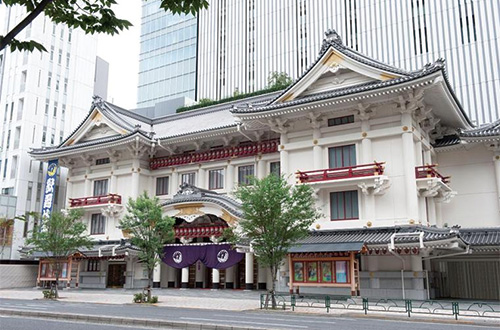
GINZA KABUKIZA
A specialized theater for kabuki, a traditional performance art dating back to the Edo period. Originally opened in 1889 during the Meiji period, the current building is the fifth on this site. Inside, you’ll find kabuki-related galleries and souvenir shops.
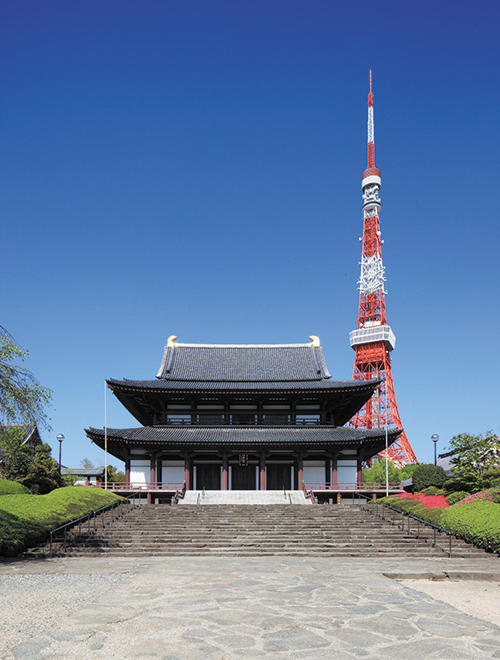
Zojoji Temple
Zojoji Temple is known as the family temple of the Tokugawa family, and its majestic Buddha statue and Sanmon Gate still remain today. Enjoy a truly iconic view of the city with the main hall set against the background of Tokyo Tower.
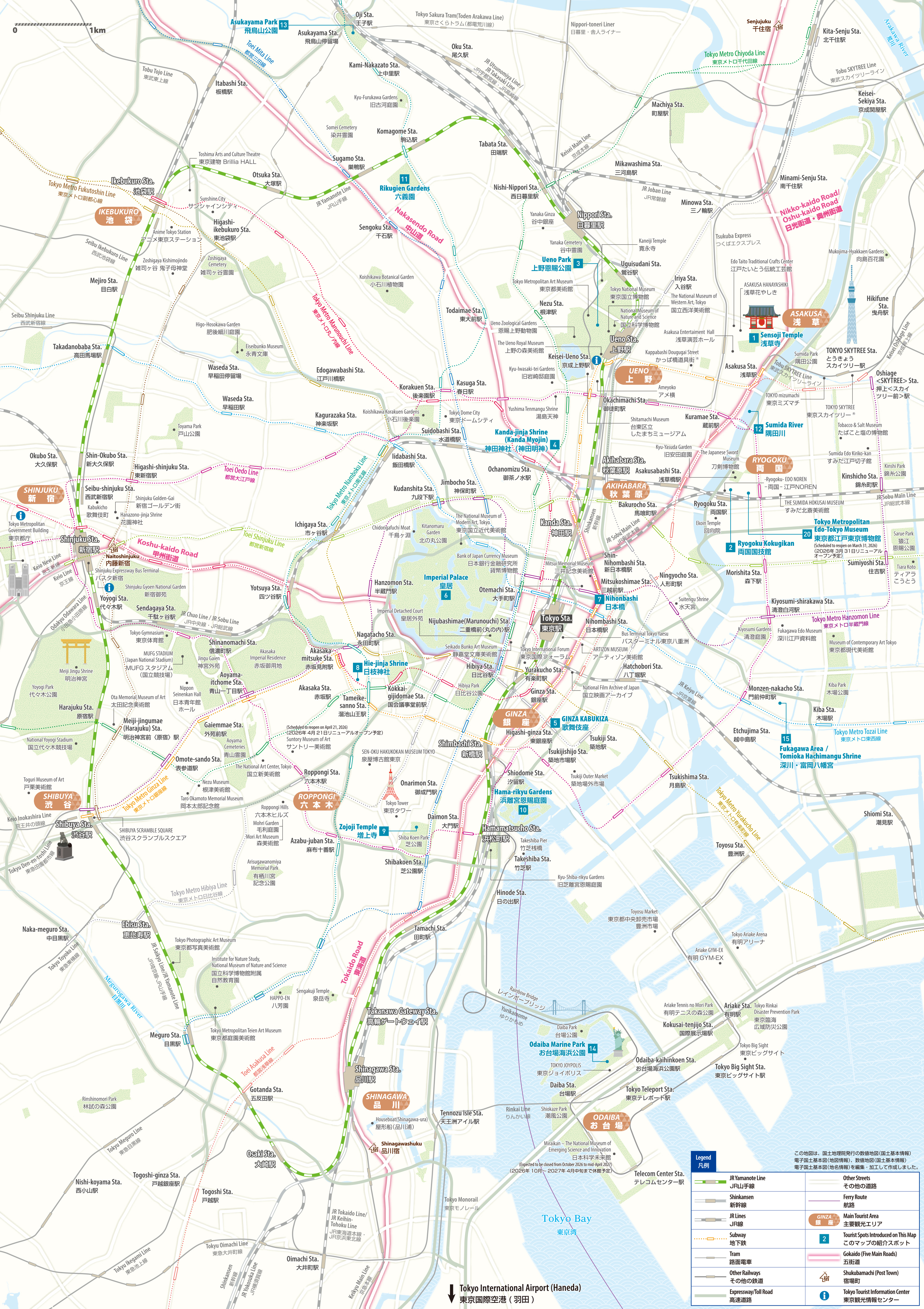
*See the map below for details of the red highlighted area.
- Zoom In
- Zoom Out
Tokyo Central Area Map
Asukayama Park
First opened in the early 18th century for the pleasure of the public by Tokugawa Yoshimune, the eighth shogun, this park remains a famous cherry blossom spot. The many attractions include three museums, gardens, and a one way two-minute self-propelled monorail ride.
Rikugien Gardens
A feudal lord's garden designed by Yanagisawa Yoshiyasu, a key figure in the Tokugawa shogunate. The delicate, tranquil landscape is inspired by the world of Japanese waka and Chinese poetry, and is famous for spring cherry blossoms and autumn foliage.
Kanda-jinja Shrine (Kanda Myojin)
Enshrining the guardian deity of Edo, this shrine is known for its grand Kanda Festival, held every two years and recognized as one of the "Three Great Festivals of Edo."
Tokyo Metropolitan Edo-Tokyo Museum
Through a variety of models and exhibits, this museum makes it easy to understand how ancient Edo became modern-day Tokyo.
*Scheduled to reopen on March 31, 2026.
Hie-jinja Shrine
Dedicated to the guardian deity of Edo Castle and revered by the Tokugawa shogunate, this shrine hosts the Sanno Festival, one of the "Three Great Festivals of Edo," in alternating years with the Kanda Festival.
Fukagawa Area /
Tomioka Hachimangu Shrine
Dating back to the Edo period, the retro downtown area of Fukagawa is famous for the Fukagawa Hachiman Festival at Tomioka Hachimangu Shrine, one of the “Three Great Festivals of Edo.” Among many other attractions are Japanese boat cruises and the traditional dish made with asari clams, Fukagawa-meshi.
Hama-rikyu Gardens
Once a villa of the Tokugawa family, this renowned garden is one of the finest examples of Edo-period landscaping, distinguished by its tidal pond fed with seawater. Enjoy matcha green tea and Japanese sweets at the teahouse in the center of the pond.
Odaiba Marine Park
In the late 19th century, six artillery batteries, known as “daiba,” were built to defend Edo. See the remains of the cannons at Odaiba Marine Park along with a stunning view of the city.
Ueno Park
Explore museums, art galleries, a zoo, and more at this park. Also home to many sites from the Edo period, including Kaneiji Temple, a sacred place connected with the Tokugawa shogunate; Toshogu Shrine, dedicated to Tokugawa Ieyasu; and Shinobazu Pond.
Sensoji Temple
Believed to have been founded in 628, this is Tokyo's oldest temple. During the Edo period, the lively community of pilgrims made it the heart of a dynamic culture. The Sanja Matsuri Festival, held in Asakusa every May, is also famous.
Sumida River
In the Edo period, the Sumida River was vital for water transport and also popular for pleasure boating. Even today, visitors can board water buses and traditional yakatabune houseboats. The Sumida River Fireworks Festival every July is a long-standing tradition dating back to the Edo period.
Ryogoku Kokugikan
This stadium is used for professional sumo wrestling. The once favorite pastime of common folk in the Edo period is today Japan’s national sport. Learn about the history of sumo at the Sumo Museum.
Imperial Palace
During the Meiji Restoration in the late 19th century, Edo Castle became the Imperial Palace, and part of the grounds were opened to the public as a park. Traces of Edo can still be felt in the stone walls, moat, and castle gates.
Nihonbashi
Centered around Nihonbashi Bridge, the start point of Japan’s Five Main Roads, this area flourished as a merchant town full of fish markets and kimono shops. Today, these streets are lined with prestigious department stores and traditional craft specialty shops.
GINZA KABUKIZA
A specialized theater for kabuki, a traditional performance art dating back to the Edo period. Originally opened in 1889 during the Meiji period, the current building is the fifth on this site. Inside, you’ll find kabuki-related galleries and souvenir shops.
Zojoji Temple
Zojoji Temple is known as the family temple of the Tokugawa family, and its majestic Buddha statue and Sanmon Gate still remain today. Enjoy a truly iconic view of the city with the main hall set against the background of Tokyo Tower.
- Zoom In
- Zoom Out
Column
Tokugawa Shogunate
The era of military rule known as the Tokugawa shogunate was established in 1603 by its first shogun, Tokugawa Ieyasu. Governance centered around the samurai maintained stability for 15 generations over roughly 260 years.
Ukiyo-e
Ukiyo-e, a uniquely Japanese style of woodblock print, became popular in the Edo period. These works vividly depict the lives of common people, famous landscapes, beautiful women, kabuki actors, and more.
Kabuki
In the Edo period, the traditional performance art of kabuki grew to become a popular form of entertainment for the masses. The gorgeous costumes, distinctive makeup, and dynamic movements of kabuki plays often dramatized real events. The popularity of kabuki actors rivaled that of “idols” today.
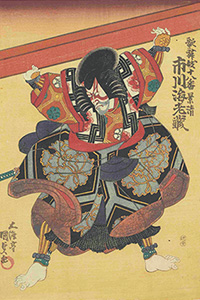
- "Kagekiyo" (Selected sections)
Tokyo Metropolitan Central Library
- "Kagekiyo" (Selected sections)
Tokyo Metropolitan Central Library
Sumo
Now considered Japan’s national sport, the traditional martial art of sumo began as a religious ritual. At Ekoin Temple in Ryogoku, sumo events were once held frequently, and people enjoyed the exciting and powerful matches. Ryogoku Kokugikan remains one of the greatest venues for these iconic bouts.
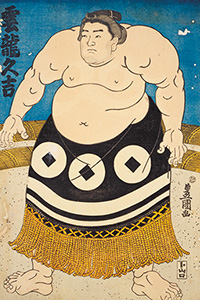
- "Unryu Hisakichi"
NDL Digital Collections
- "Unryu Hisakichi"
NDL Digital Collections
The Five Main Roads & Post Towns
The Five Main Roads of Edo were the major routes that extended from Edo to regions across Japan: the Tokaido, Nakasendo, Koshu-dochu (Koshu-kaido), Nikko-dochu (Nikko-kaido), and Oshu-dochu (Oshu-kaido). Towns developed along these roads as places for travelers to rest or stay, and eventually flourished as hubs of both transportation and culture. Even today, traces of these roads and post towns remain throughout Tokyo.
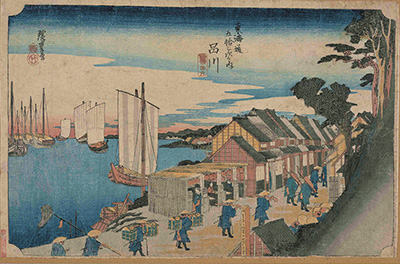
- Shinagawashuku"Fifty-three Stations of the Tokaido Highway: Shinagawa"
Tokyo Metropolitan Central Library
Island Areas in the Edo Period
Tokyo is also home to the beautiful natural landscapes of the Izu and Ogasawara Islands. During the Edo period, the Izu Islands were regarded as important territories directly governed by the shogunate and were also known as places of exile. Blessed with a mild climate, the islands have long been sustained by fishing and salt production. Over time, unique customs and traditional crafts developed, giving each island its own distinctive culture rooted in harmony with nature.
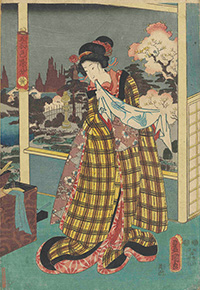
- Textiles from Hachijojima Depicted in Ukiyo-e PrintsFive Colors of Dyed Silk:
Yellow Tokyo Metropolitan Central Library
See the City of Edo from the Water
Everywhere in central Tokyo, we can see the remnants of meticulous urban planning from the Edo period, which once used water drawn from rivers. One example is the famous cherry blossom viewing spot, Chidorigafuchi Moat. Hop aboard a boat and be awed by the sheer scale of Edo Castle’s stone walls and moat. Elsewhere, enjoy a unique blend of history and modernity aboard a “yakatabune” houseboat or water bus on the Sumida River, a vital artery of shipping and transportation since the time of Edo.
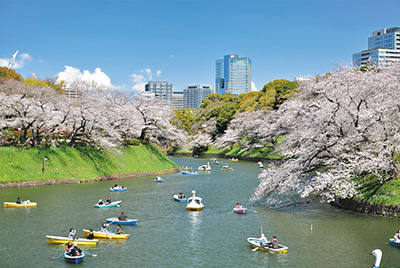
- Rowboats on Chidorigafuchi Moat during cherry blossom season
- Rowboats on Chidorigafuchi Moat during cherry blossom season
Tokugawa Shogunate
The era of military rule known as the Tokugawa shogunate was established in 1603 by its first shogun, Tokugawa Ieyasu. Governance centered around the samurai maintained stability for 15 generations over roughly 260 years.
Ukiyo-e
Ukiyo-e, a uniquely Japanese style of woodblock print, became popular in the Edo period. These works vividly depict the lives of common people, famous landscapes, beautiful women, kabuki actors, and more.
Kabuki
In the Edo period, the traditional performance art of kabuki grew to become a popular form of entertainment for the masses. The gorgeous costumes, distinctive makeup, and dynamic movements of kabuki plays often dramatized real events. The popularity of kabuki actors rivaled that of “idols” today.
- "Kagekiyo" (Selected sections)
Tokyo Metropolitan Central Library
- "Kagekiyo" (Selected sections)
Tokyo Metropolitan Central Library
Sumo
Now considered Japan’s national sport, the traditional martial art of sumo began as a religious ritual. At Ekoin Temple in Ryogoku, sumo events were once held frequently, and people enjoyed the exciting and powerful matches. Ryogoku Kokugikan remains one of the greatest venues for these iconic bouts.
- "Unryu Hisakichi"
NDL Digital Collections
- "Unryu Hisakichi"
NDL Digital Collections
The Five Main Roads & Post Towns
The Five Main Roads of Edo were the major routes that extended from Edo to regions across Japan: the Tokaido, Nakasendo, Koshu-dochu (Koshu-kaido), Nikko-dochu (Nikko-kaido), and Oshu-dochu (Oshu-kaido). Towns developed along these roads as places for travelers to rest or stay, and eventually flourished as hubs of both transportation and culture. Even today, traces of these roads and post towns remain throughout Tokyo.
- Shinagawashuku"Fifty-three Stations of the Tokaido Highway: Shinagawa"
Tokyo Metropolitan Central Library
Island Areas in the Edo Period
Tokyo is also home to the beautiful natural landscapes of the Izu and Ogasawara Islands. During the Edo period, the Izu Islands were regarded as important territories directly governed by the shogunate and were also known as places of exile. Blessed with a mild climate, the islands have long been sustained by fishing and salt production. Over time, unique customs and traditional crafts developed, giving each island its own distinctive culture rooted in harmony with nature.
- Textiles from Hachijojima Depicted in Ukiyo-e PrintsFive Colors of Dyed Silk:
Yellow Tokyo Metropolitan Central Library
See the City of Edo from the Water
Everywhere in central Tokyo, we can see the remnants of meticulous urban planning from the Edo period, which once used water drawn from rivers. One example is the famous cherry blossom viewing spot, Chidorigafuchi Moat. Hop aboard a boat and be awed by the sheer scale of Edo Castle’s stone walls and moat. Elsewhere, enjoy a unique blend of history and modernity aboard a “yakatabune” houseboat or water bus on the Sumida River, a vital artery of shipping and transportation since the time of Edo.
- Rowboats on Chidorigafuchi Moat during cherry blossom season
- Rowboats on Chidorigafuchi Moat during cherry blossom season
Download Map
After downloading the map, scan the 2D codes printed on it using your smartphone
to access AR content.
FAQ
- What is EDO TOKYO MAP?
- EDO TOKYO MAP is a website that introduces Tokyo’s history and culture from the Edo period to the present day through digital maps, AR content, and 3D content.
By selecting spots on the map, users can experience related AR and 3D content.
What is AR Content? AR content is an augmented reality experience that can be enjoyed using the camera function of smartphones and tablets.
Users can immerse themselves in the atmosphere of the Edo period while listening to narration.
Note: The button linking to the AR content experience page is displayed only when this page is accessed from a smartphone or tablet.
What is 3D Content? 3D content allows users to experience the same content as the AR version on your PC device.
No camera function is required.
Note: The button linking to the 3D content experience page is displayed only when this page is accessed from a PC.
- What languages are supported?
- This page and the map are available in Japanese and English.
On the experience pages for AR content, 3D content, and the AI avatar, the site supports Japanese, English, Chinese (Simplified and Traditional), and Korean.
Note: For the difference between AR content and 3D content, please refer to Q1.
- If a malfunction occurs (AR content or 3D content does not appear, the map does not display correctly, or the map cannot be zoomed or scrolled, etc.)
- Please check the following points.
・Whether you are using the latest version of a recommended browser
・Whether you have reloaded the browser
・Whether your network connection is stable
Recommended environment:
For PC On Windows and macOS, 3D content can be used with the latest versions of major browsers (Chrome / Safari / Edge / Firefox).
For iPhone devices Supported browser: Safari only
Supported OS: Devices running iOS 12 or later are supported.
For Android devices Supported browser: Chrome only
Supported devices: Limited to ARCore-compatible devices provided by Google.
Please check the list of supported devices on the following page.
https://developers.google.com/ar/devices?hl=en
Please note that on older operating systems or some devices, the content may not function properly.
For the difference between AR content and 3D content, please refer to Q1.
- Even if you select a spot, you may not be able to proceed to the experience pages for AR content, 3D content, or the AI avatar.
- If the network connection is unstable, loading the experience pages for each content may take some time.
If the page does not appear after waiting for a while, please reload the page or check whether you are accessing it with a supported device and browser.
Please note that each content can be used on the following devices.
AR content: Smartphones and tablets*
3D content: PCs
*Depending on the tablet model, the display screen may differ.
For the difference between AR content and 3D content, please refer to Q1.
- AR does not start on your smartphone.
- To experience AR content, camera access permission in the browser is required.
Please check whether the camera permission is disabled. In addition, AR may not start on unsupported devices or OS versions.
AR content is a feature that can be experienced on smartphones and tablets.
For the difference between AR content and 3D content, please refer to Q1.
- You cannot open or download the PDF map.
- The PDF is designed to open in a separate tab.
If it does not appear, please check your browser’s pop-up settings.